
What most people get wrong about starting a business
Most people believe starting a business begins with an LLC, a logo, or a website. Those things can matter, but they are not where entrepreneurship starts. They are where spending starts. The real beginning happens earlier, when you decide to solve a real problem for other people and accept responsibility for whether it works.
That distinction matters because you can spend money for months and still have no business. A business is not paperwork. It is not branding. It is not an online storefront with a clean font and a polished homepage. A business exists when people want what you are offering and are willing to pay for it.
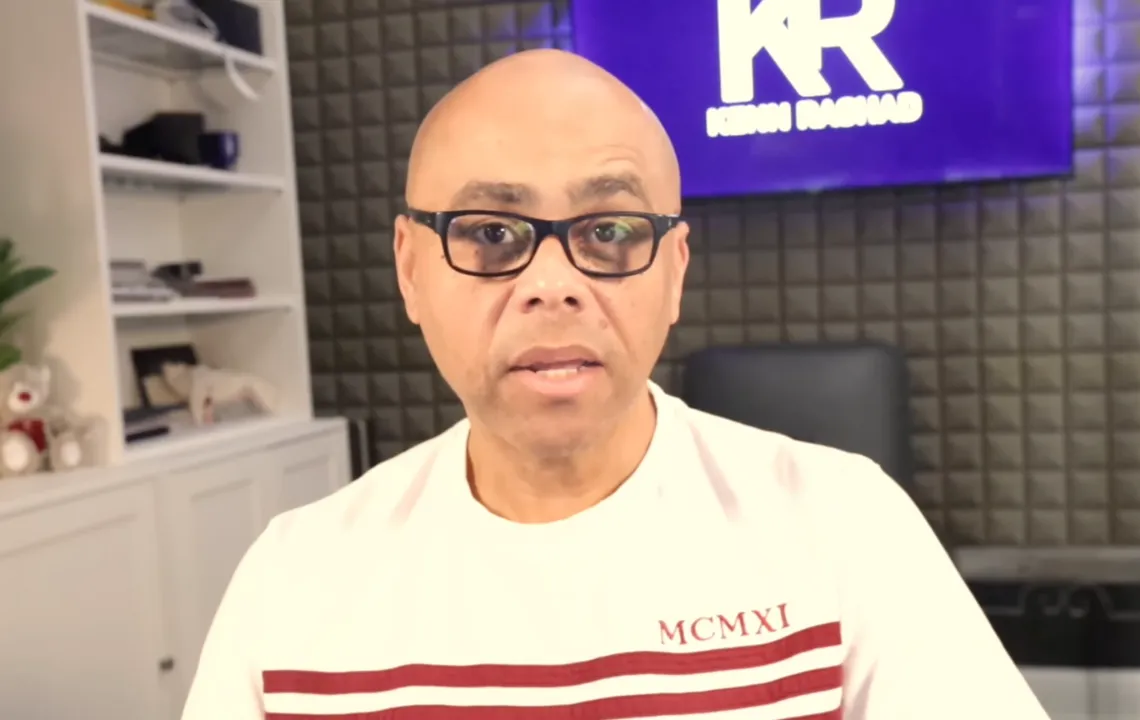
In my latest video, I explain what many first-time entrepreneurs get wrong and how to build clarity before you invest a dollar into making things look official.
Watch the full video here:
The biggest mistake people make when starting a business
I have seen this pattern too many times to ignore. Someone decides they want to start a business, but instead of starting with the market, they start with the appearance of legitimacy. They spend weeks choosing a name, designing a logo, setting up a website, ordering business cards, and filing LLC paperwork.
None of those things are automatically harmful. The problem is when they become the foundation. When you start there, you can build a full brand identity and still have no customers. That is because none of those steps answers the only question that matters in the beginning.
Who needs what you are selling, and why would they care enough to pay for it?
When that question is unanswered, the business becomes a guessing game. You guess who your customer is. You guess what they want. You guess what problem you are solving. You guess whether demand exists. And guessing gets expensive.
Why early spending creates pressure and leads to bad decisions
When clarity is missing, people often spend money just to feel productive. They buy domains. They pay for tools. They subscribe to software. They join programs. They run ads. They convince themselves they are building momentum when in reality they are buying a distraction.
This is why so many people launch online stores, run ads, get clicks, and still do not get sales. At that point, they assume they have a marketing problem. In most cases, they do not.
They have an offer problem.
They are selling something that does not solve a problem people care about enough to pay for. Marketing cannot rescue that. Marketing only amplifies what already works.
A smarter definition of entrepreneurship
Here is the definition I want people to take seriously, especially if they are just starting out.
Entrepreneurship is creating and developing something to solve real problems for others while taking personal and financial responsibility for the risks and the outcome.
That definition shifts the focus away from image and toward service. It also reframes entrepreneurship as responsibility, not aesthetics. Once you see it that way, you stop asking how to look like a business owner and start asking what it means to be useful.
How HBCU Sports taught me the lesson early
When I started HBCU Sports in the late 1990s, it was not a business plan. It was a project. At the time, it was called The SWAC Page, and I built it while teaching myself HTML because I wanted to learn how websites worked. I was not thinking about entrepreneurship. I was learning a skill and building something around what I cared about.
Then the unexpected happened. People started emailing me asking when I was going to update the site, post scores, and keep information current. The demand did not come from an ad campaign. It came from the marketplace, in response to something I had built.
That was one of the earliest business lessons I ever learned. Sometimes you do not force a business into existence. Sometimes the business finds you when people start depending on what you created.
That demand is what turned a small HTML project into a real operation that eventually grew into a six-figure-per-year business. I do not share that story to impress anyone. I share it because it highlights the point most people miss.
The market speaks. You just have to pay attention.
Passion is not the same thing as a business
A lot of people build businesses around what they like, and they assume that is enough. Passion matters, but passion does not equal demand.
You can be passionate about something nobody needs. That does not make it wrong. It just means it is not a business.
People do not buy because you love what you do. They do not buy because they love you. They buy because what you offer helps them. That is the transaction. Everything else is noise.
The simplest example is merchandise. Someone can love making t-shirts. That can be a great hobby. But unless the shirt connects to identity, culture, message, purpose, or something people want to be associated with, it is just a shirt. A business forms when your interest connects to somebody else’s desire or problem.
The questions you need before you spend a dollar
Before you talk structure, branding, or paperwork, you need clarity. The easiest way to test clarity is whether you can answer a few questions simply.
- Who am I helping?
- What problem am I solving?
- Why does that problem matter?
- What changes for the customer when the problem is solved?
If you cannot answer those clearly, you are not ready to spend money yet. That does not mean you are failing. It means you are still in the discovery phase, and discovery is cheaper than rebuilding later.
A good test is this: if someone asks what your business does and your answer changes every time, you are still figuring it out. The right move is not to rush into an LLC. The right move is to slow down until your message is stable.
The starting point most people ignore: listening
The early stage of entrepreneurship is not glamorous, but it is free. You can start by listening.
Listen to what people complain about. Listen to what confuses them. Listen to what keeps showing up in conversations, online communities, and comment sections. If you notice the same question being asked every week in a Facebook group, a Reddit thread, or a niche community, you are looking at a signal.
Signals cost nothing. Most people miss them because they are busy spending money trying to manufacture momentum.
Where the LLC fits, and why it cannot replace clarity
This is where the LLC conversation usually gets twisted. I am not anti-LLC. I am anti-using structure as a substitute for demand.
An LLC does not give you customers. It does not confirm that people want what you are offering. It does not make your message clear. It does not validate your idea.
At some point, structure matters. Some people start as sole proprietors. Some start with a DBA. Some need an LLC earlier, depending on risk, contracts, or business model. The point is that structure should support momentum, not replace it.
Build momentum first. Then make it official.
What this really comes down to
If you take nothing else from this, take this. The real question is not “How do I start a business?”
The real question is “Who am I helping, and what problem am I willing to take responsibility for solving?”
Once that becomes clear, everything else gets easier. You know how to describe what you do. You know what content to create. You know what to offer. You know what to test. And when it is time to spend money, you spend with intention rather than under pressure.
Clarity removes pressure. That is the advantage.
Key takeaways
- Entrepreneurship starts with solving a real problem, not forming an LLC.
- Branding is not a business if nobody wants what you are offering.
- Spending money without clarity usually leads to guessing, and guessing gets expensive.
- Pay attention to demand signals by listening to what people repeatedly ask, complain about, or struggle with.
- Structure should support momentum, not substitute for it.
- The fastest way to move forward is to get clear on who you help and what problem you solve.
Download my free guide
If you want a simple, practical way to think through the early steps before spending money, download my free guide: How to Start a Business Before You Spend a Dollar

Subscribe to the channel
If this kind of content is useful, subscribe to my YouTube channel. More videos are coming in this series, and they are designed to help you build with clarity before you build with cash.
Related Content: